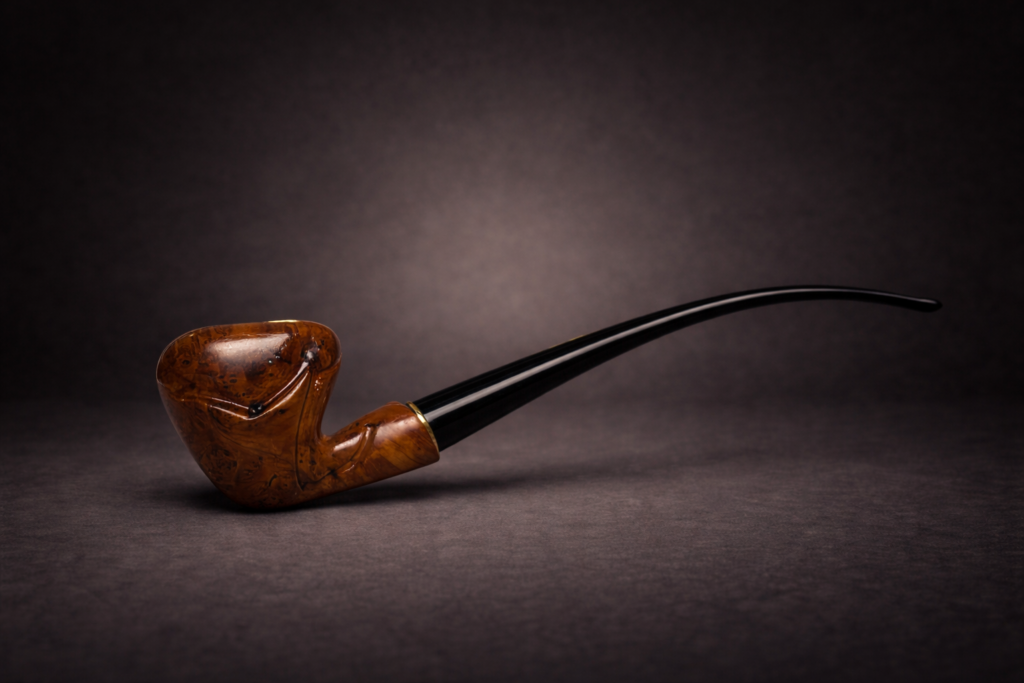
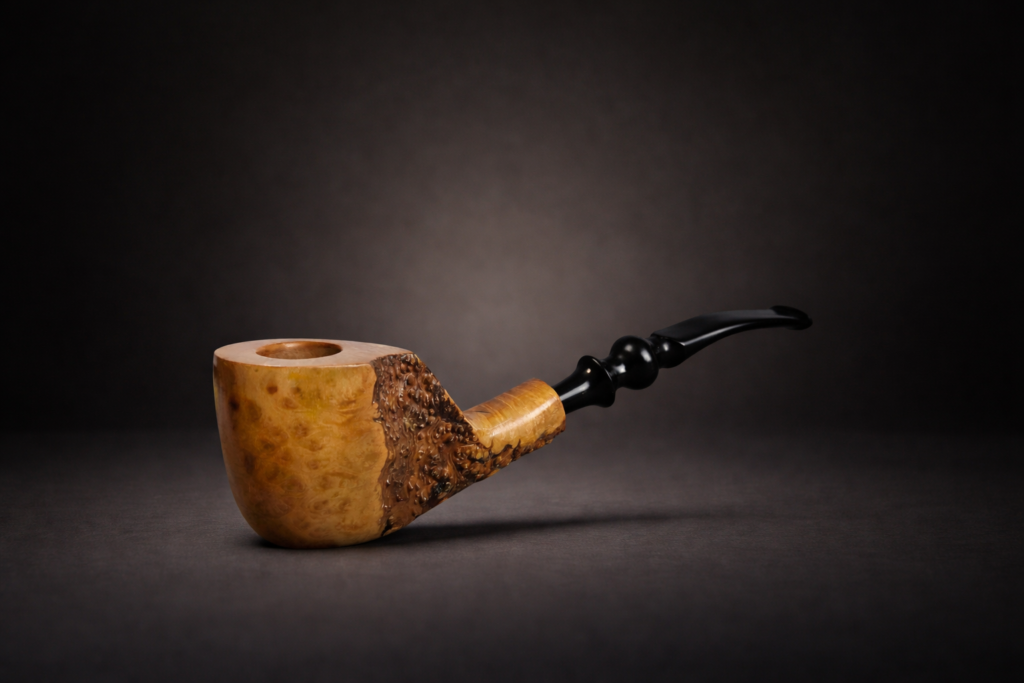
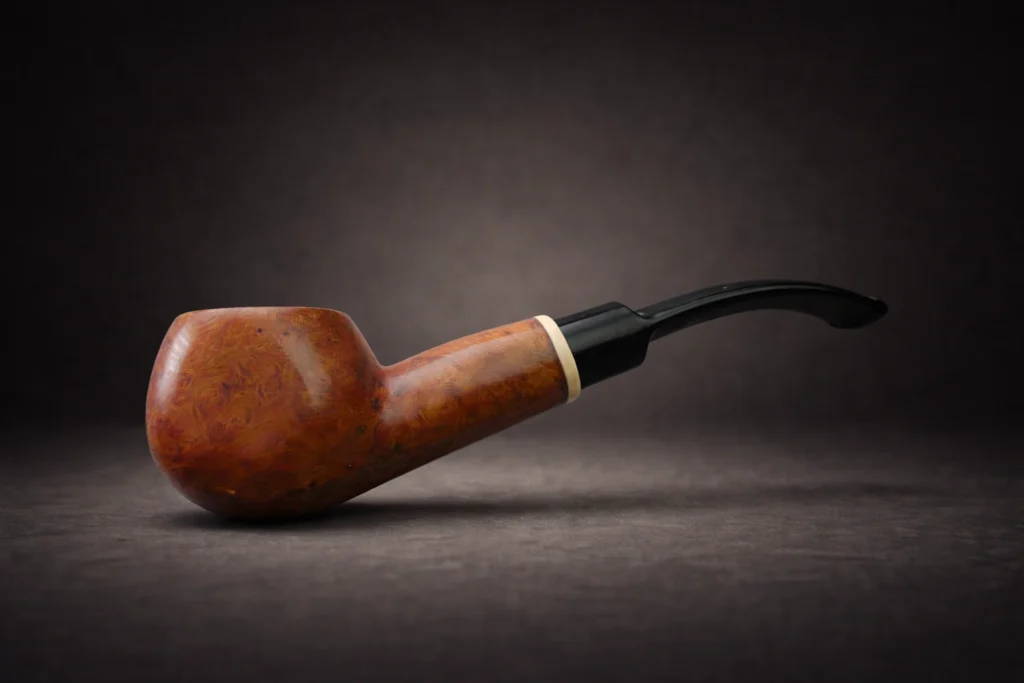
Guide to Handmade Pipes: How to Recognize Quality and Choose a Pipe That Truly Suits You
A guide to shape, chamber, stem, drilling, balance, and finish — without myths and without buying by impression alone. This article helps you tell the difference between a beautiful object and a pipe that will actually suit your hand and smoking style.
Why a handmade pipe requires a different kind of attention
With handmade pipes, the hardest part is rarely finding something beautiful. The harder part is understanding why a pipe is truly good, and why it may actually suit you. That distinction matters. In the world of handwork, it is easy to stop halfway: close enough to admire the aesthetics, but not far enough to recognize what really carries value behind them.
A handmade pipe is not automatically better simply because it is not factory-made. It becomes better only when attention, proportion, and decisions made without haste can actually be felt in the object. A convincing shape, good balance, a comfortable stem, sensible drilling, and a chamber that makes sense for real smoking matter more than the mere impression of exclusivity. Handmade is a promise. Quality is the fulfillment of that promise.
Many people look for quality first where it is easiest to look: grain, finish, unusual shape, or price. All of those may be part of quality, but they are not its core. The core begins where a pipe stops being merely beautiful and starts becoming convincing as a real smoking tool.
That means quality has to be judged on several levels at once. The first is structural: chamber, airway, stem fit, and the logic of the object as a whole. The second is practical: how the pipe sits in the hand, behaves in the mouth, carries its weight, and what kind of smoking rhythm it naturally invites. The third is aesthetic: how form, grain, and finish support one another. Only when those three levels begin to work together does a pipe become more than impressive. It becomes good.
How to recognize quality
A handmade pipe is not good simply because it is rare, expensive, or visually striking. It is good when form, function, and the feeling of completion work together. That is why quality should not be judged only by first impression, but through several concrete criteria that become more important over time than effect alone.
Shape speaks about the pipe’s character, but not about everything. Balance shows how thoughtfully the object lives in the hand. The chamber tells you whether the pipe suits your smoking rhythm. Drilling and the stem often reveal how seriously the pipe was actually made. Grain and finish elevate the object, but cannot prove its value on their own.
The best way to look at a handmade pipe is therefore not to search for one magical sign of quality, but for a whole in which no important part feels neglected. When shape, chamber, stem, drilling, balance, and finish all seem to belong to the same thoughtful decision, you are usually looking at a pipe with real weight — not only visual weight.
Shape and balance
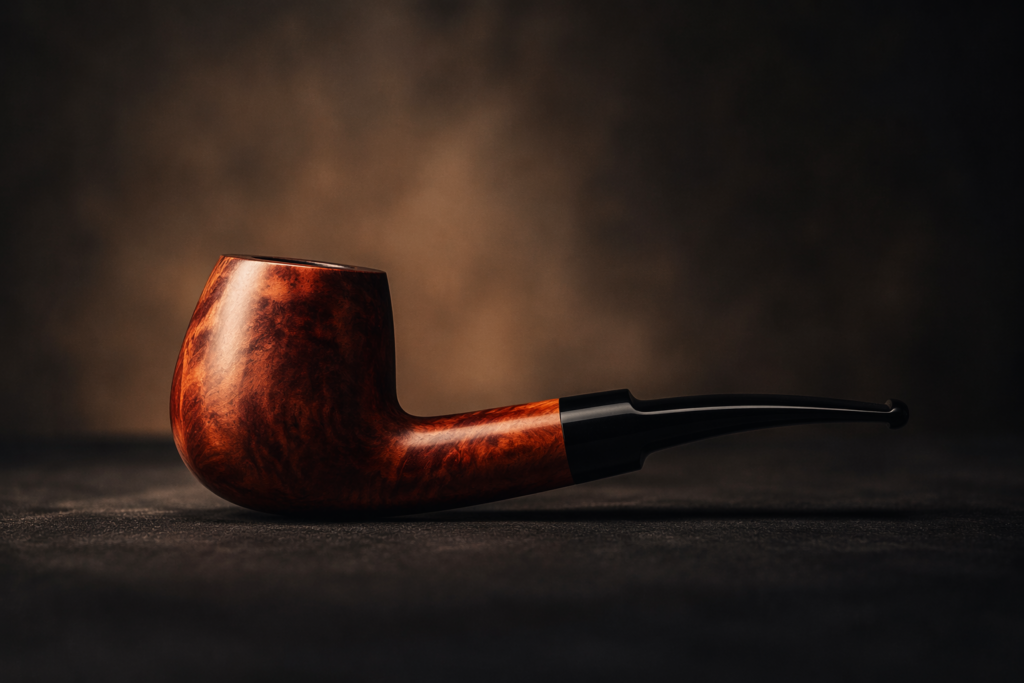
One of the first things that draws a buyer in is shape. That is natural. Shape is the face of the pipe. It speaks first about character, temperament, and presence. Yet that is exactly why it can mislead. A buyer often thinks that by choosing a shape, half the decision is already made. In reality, the door has only just opened.
The same shape can become very different pipes in the hands of different makers or in different blocks of briar. Bowl height, shank length, the way the stem extends the line, and the relation of mass between the parts all matter. Shape is therefore not a final answer, but a framework. A good pipe is not made when the shape is merely recognizable, but when it is convincingly executed.
Balance is one of those things a beginner rarely names, but feels very quickly. Some pipes look excellent and yet feel as though too much of their mass sits in the wrong place. Others are visually calmer, but settle into the hand so naturally that they immediately inspire trust. In a good handmade pipe, balance is not an accidental by-product of form. It is part of the thinking.
This matters especially if you like to clench or carry a pipe for a longer time. An object built primarily for effect often reveals tension in the distribution of mass. An object built for smoking as well usually feels calmer, even when it has a strong character. Balance does not shout, but it speaks for a long time.
Chamber and drilling
Many buyers give shape great attention and almost skip the chamber. That is a mistake, because the chamber often decides whether a pipe will become yours or remain something you merely admire from a distance. Chamber diameter and depth affect smoking length, packing feel, the relationship to different tobacco cuts, and the general rhythm of the smoke. The chamber is not a technical footnote. It is one of the pipe’s central practical organs.
If you smoke in shorter, more focused sessions, you may not want the same chamber as someone who prefers long, slow evening smokes. If you like a more concentrated smoking feel, you may want something very different from a person who prefers more openness and air. A good handmade pipe is always, in part, an answer to how you smoke, not merely to what looks attractive in a picture.
When a pipe works well, many smokers describe it in simple terms: it feels calm, it does not ask for struggle, it does not create the sense that something must constantly be corrected. Behind that simple experience there is often good drilling. The precision of the path through which air and smoke move is one of those things that may not create the most photogenic argument for buying, but very quickly reveals how seriously the pipe was conceived.
Good drilling need not be mystified. It is not a cult of hidden perfection, but a matter of basic geometry that allows the pipe to work in a quiet, orderly way. When the interior logic of a pipe is convincing, the object feels coherent from within, not only from the outside. A handmade pipe often justifies its higher value exactly where surface beauty can no longer pretend to be enough.
Stem, fit, and the feeling of completion
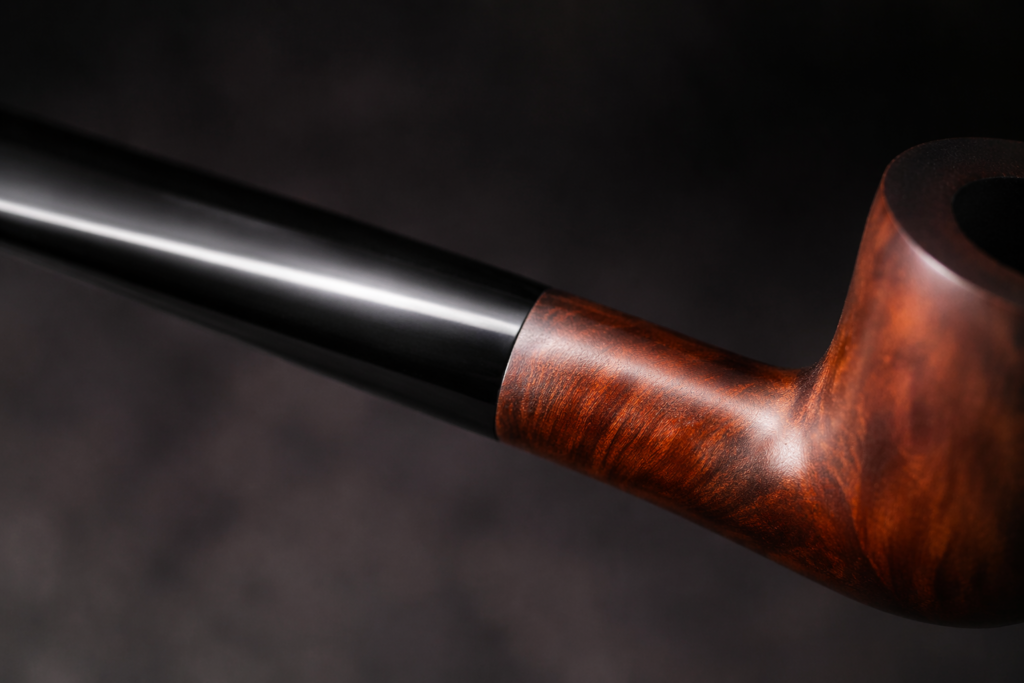
Much is said about briar, grain, and shapes, yet the stem is often the place where a buyer feels most quickly whether the pipe is truly for him. The stem determines how the pipe sits between the teeth, how comfortable it is in a clench, how the button feels, and how finished the whole object seems. In a good handmade pipe, the stem does not feel like an attachment. It feels like an organic continuation of the whole idea.
This is where the difference between a label and actual execution becomes especially clear. It is not enough to say that a stem was hand-finished or hand-cut. What matters is how that was done. Is it thin where it should be thin and full where it should offer support? Is the button comfortable or tiring? Does the transition into the shank feel calm and precise? A good pipe is often recognizable by the fact that the stem does not ask to be endured.
There are details on a pipe that sell themselves easily and details that do not. Finish sells easily. Grain sells easily. A precise junction between stem and shank much less so. Yet that is exactly why it is worth more than many beginners first assume. Where two parts must meet without force, roughness, or improvisation, one often sees whether the object carries real discipline in its making.
This is not only an aesthetic issue. stem fit also speaks about the feeling of the whole, the trust it inspires in use, and the overall impression of exactness. In a pipe that is merely impressive, this detail may be only “good enough.” In a pipe that is truly good, it usually feels quiet, almost restrained. That is often a better sign than spectacle anywhere on the surface.
What is real value, and what is only effect
Grain and finish are not unimportant. On the contrary, they are a real part of a pipe’s character. Good grain can show a beautiful relationship between form and material, and a good finish can strengthen the line, add depth, and turn the object into something appreciated not only in use but in contemplation. The problem begins only when aesthetic power is mistaken for total quality.
Beautiful grain cannot by itself confirm good drilling. Spectacular finish cannot by itself prove a good stem. An expensive, visually striking pipe can still be less convincing than a quieter one if most of the attention has been spent on what the camera loves. It is healthiest to value grain and finish with respect, but without idolatry. They are part of quality, not its only proof.
Handmade work is worth as much as its advantages are actually felt. One should neither dismiss factory production nor romanticize every handmade object. A good factory pipe can be an honest, stable, rational choice. A handmade pipe matters most when its extra attention brings something that truly matters to you: a better stem, more convincing balance, a more personal shape, a finer feel in the hand, or a conversation with the maker that leads to a better choice.
How to choose a pipe that truly fits you
The most important step in choosing is not asking which pipe is best, but which pipe is best for you. That means knowing at least a few basic things about yourself as a smoker before you buy. How long are your sessions? Do you hold the pipe mostly in the hand or often clench it? Do you prefer filters or not? Does weight bother you? Are you drawn to calm classical forms or to pipes with stronger visual character? What has suited you in previous pipes, and what has not?
These questions are not bureaucracy. They protect you from the mistake of buying an object that respects a trend but not you. A good handmade pipe should not only be beautiful on the day of purchase. It should remain natural after many bowls, after cleaning, after different moods, and over time. Only then does it become yours rather than merely desirable.
With handmade pipes, one of the great advantages is not only the object itself but the possibility of conversation. If the maker works seriously, advice is not there merely to confirm your first impulse, but to test it. That matters. A good conversation does not begin with performed expertise, but with an honest description of your habits, expectations, and the problems you have had with previous pipes.
Once the buyer clearly says what he wants, what bothers him, what kind of rhythm he has, and what sort of pipe he is truly seeking, the decision improves. The handmade pipe then ceases to be guesswork and becomes a collaboration between craft and need. That is one of the healthiest differences between handwork and faceless buying by impression alone.
When a more expensive pipe truly makes sense
A higher price is not automatically greater value for every buyer. Sometimes you are paying for more beautiful grain, sometimes for more hand labor, sometimes for stronger personality, and sometimes for all of these together. A good purchase therefore requires not only the question why a pipe costs more, but whether what makes it cost more actually matters to you.
If what you value is a precise stem, convincing balance, a shape that does not feel generic, and the sense that the object has been truly finished, then a handmade pipe may justify its price much more clearly than first appears. But if you still do not know what suits you, it may be wiser to refine your own taste first before paying for finer distinctions. Neither path is wrong. What is wrong is when price replaces understanding.
The best handmade pipe for you is not always the one that makes the strongest first impression. Sometimes it is the pipe that appears quieter, but is right where it matters: in chamber, weight, stem, and the way it settles into the hand. Such pipes often do not ask to be adored immediately. They simply become more correct with time.
That is one of the most beautiful parts of a good decision. You are not buying only an object with a story, but an object to which you return without effort. At that point the pipe stops being a trophy and becomes a companion. And that is, in the end, the most honest sign that you chose well.
What truly matters in the end
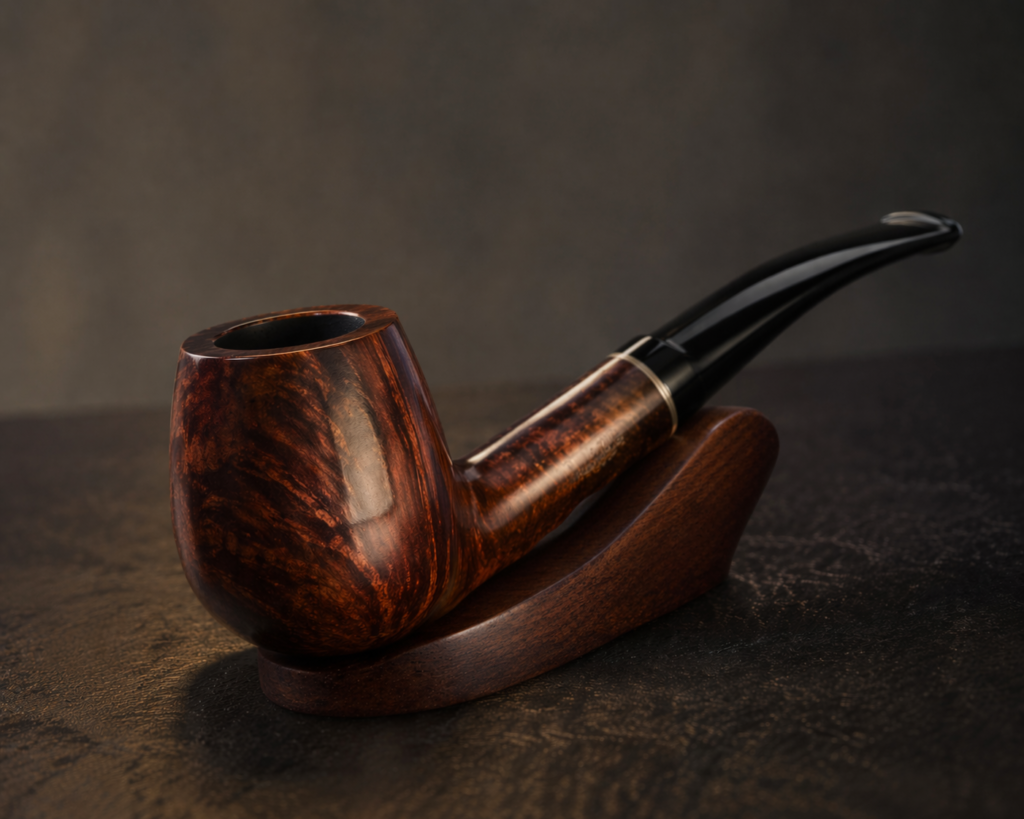
If all of this must be reduced to a single principle, it is this: a good handmade pipe is one in which form, function, and personal fit are not at war with one another. You like the shape, but it is not shape alone. The chamber makes sense for your rhythm. The stem does not ask to be tolerated. The drilling inspires trust. The balance feels natural. Grain and finish elevate the object, but do not pretend to replace what must already be good inside.
Seen that way, buying a handmade pipe stops being a hunt for the perfect photograph or for the word handmade as a magical stamp. It becomes a calmer and more serious choice. And that kind of choice is the one most likely to lead to a pipe that does not remain merely a beautiful memory of purchase day, but becomes an object that reminds you for years that the best things are often the ones made with measure — and chosen with reason.