Zašto precizan spoj usnika vrijedi više nego spektakularan finiš
Kod lule je lako prvo vidjeti ono što najbrže privlači oko: grain, finiš, kontrast boja, dramatičnu liniju. Ali ono što najviše govori o ozbiljnosti izrade često se skriva ondje gdje pogled početnika najmanje ostaje — na spoju usnika i vrata lule. Taj spoj nije glamurozan detalj. Ne traži divljenje, ne vrišti s fotografije i ne prodaje se lako u jednoj rečenici. Ali upravo ondje često počinje razlika između predmeta koji samo ostavlja dojam i predmeta koji odaje preciznost, mjeru i dugoročnu uvjerljivost. Finiš može zavesti. Precizan spoj usnika teže zavodi, ali puno više govori.
Zašto oko prvo ide na finiš, a ne na spoj
Kad gledate lulu, finiš vas uhvati prije svega drugoga. To je sasvim prirodno. Boja, tekstura, grain i cjelokupni vizualni dojam rade brzo i neposredno. spoj usnika i vrata lule pritom djeluje kao tiho mjesto. Nije dramatičan, nije “priča” i ne traži pozornicu. Upravo zato ga je lako podcijeniti.
Ali kod ozbiljno izrađene lule takvi tihi detalji često govore više od svega što blješti. Finiš može biti izvrstan i vrijedan poštovanja, no on je ipak sloj koji najlakše razgovara s okom. Spoj usnika razgovara s preciznošću. A preciznost je kod lule jedna od onih stvari koje možda ne vičete naglas, ali ih vrlo brzo počnete osjećati ako ih nema.
Spoj usnika nije samo estetska linija
Mnogi početnici spoj usnika gledaju kao pitanje urednosti. Je li prijelaz ravan, izgleda li sve skladno i uklapa li se vizualno jedno u drugo? To jest važno, ali spoj usnika nije samo estetska linija. On je i funkcionalno mjesto susreta. Tu se otkriva koliko je lula stvarno pažljivo dovršena, koliko je cjelina promišljena i koliko maker poštuje mjesto gdje se više elemenata mora ponašati kao jedno.
Dobar spoj usnika zato odaje više od “urednog rada”. On govori o mjeri, o kontroli i o tome da predmet nije završen čim je postao lijep. Završetak se vidi upravo tamo gdje se dvije stvari sastaju bez nasilja, bez improvizacije i bez dojma da jedna samo pristojno trpi drugu.
Preciznost dosjeda otkriva zanat bez velikih riječi
Postoje detalji na luli koji traže objašnjenje. Spoj usnika uglavnom ne traži. Ili sjedi kako treba, ili ne sjedi. Naravno, postoje nijanse i granice koje se na fotografiji ne vide savršeno, ali dobar dosjed često ima onu vrstu tihe uvjerljivosti koju je teško glumiti. Prijelaz djeluje logično, linija nije razbijena, a cijeli predmet izgleda kao da je zamišljen tako od početka, a ne sastavljen naknadno.
Upravo zato precizan spoj vrijedi više nego što početnik često misli. On ne djeluje kao luksuzni ukras, ali odaje jednu od najvažnijih stvari: da je maker imao strpljenja i discipline ondje gdje to ne donosi brz spektakl. A to je kod zanata gotovo uvijek dobar znak.
Finiš može biti sjajan, a spoj i dalje prosječan
Jedna od zamki kupnje, osobito online, jest da vizualna snaga predmeta preuzme sav prostor. Lula s lijepim finišem, naglašenim grainom ili snažnim kontrastom lako stvori osjećaj da je kvaliteta već dokazana. Ali finiš i spoj usnika ne pripadaju istoj vrsti istine. Finiš govori o površini, ukusu i prezentaciji. Spoj usnika govori o dovršenosti i preciznosti.
To znači da je sasvim moguće da lula bude vizualno vrlo privlačna, a da spoj usnika ostavi manje uvjerljiv dojam. Ne nužno katastrofalan, nego jednostavno takav da pokazuje gdje je pažnja stala nešto ranije nego što bi mogla. Dobar kupac zato ne dopušta da finiš vodi cijeli razgovor.
Zašto je spoj važan i za osjećaj, a ne samo za pogled
Netko bi mogao reći: dobro, ali ako spoj izgleda uredno, zar nije to uglavnom estetska stvar? Ne baš. Spoj usnika utječe i na cjelokupni osjećaj lule. Na to kako predmet djeluje u ruci, kako se doživljava njegova čvrstoća, koliko povjerenja ulijeva pri rastavljanju i sastavljanju i kakav opći dojam “točnosti” nosi cijela lula.
Kod dobro izvedenog spoja često nema nikakve drame. Upravo to je poanta. Sve djeluje kao da je na svom mjestu. I ta tihost govori više od efekta. Jer lula koju ćete držati, čistiti i živjeti s njom ne traži samo površinski šarm. Traži i onu vrstu pouzdanosti koja se krije u detaljima koje se ne mora posebno reklamirati.
Skrivena hijerarhija kvalitete
Kupci često nesvjesno grade hijerarhiju kvalitete prema onome što se najlakše vidi. Grain, finiš, shape i opći karakter dobiju glavnu riječ. To je razumljivo, ali nije uvijek mudro. Ozbiljnija hijerarhija obično izgleda drukčije. Najprije dolaze temeljne stvari: drilling, usnik, spoj, balans, logika komore. Tek onda slojevi koji predmetu daju dodatnu estetsku snagu.
To ne znači da finiš nije važan. Znači samo da nije na vrhu iste ljestvice. Dobar finiš na luli s prosječnim spojem usnika često je kao lijepo odijelo na loše krojenom tijelu. Na prvu impresionira, ali s vremenom se vidi gdje stvar ne sjedi sasvim kako bi trebala.
Kako gledati spoj usnika pametnije
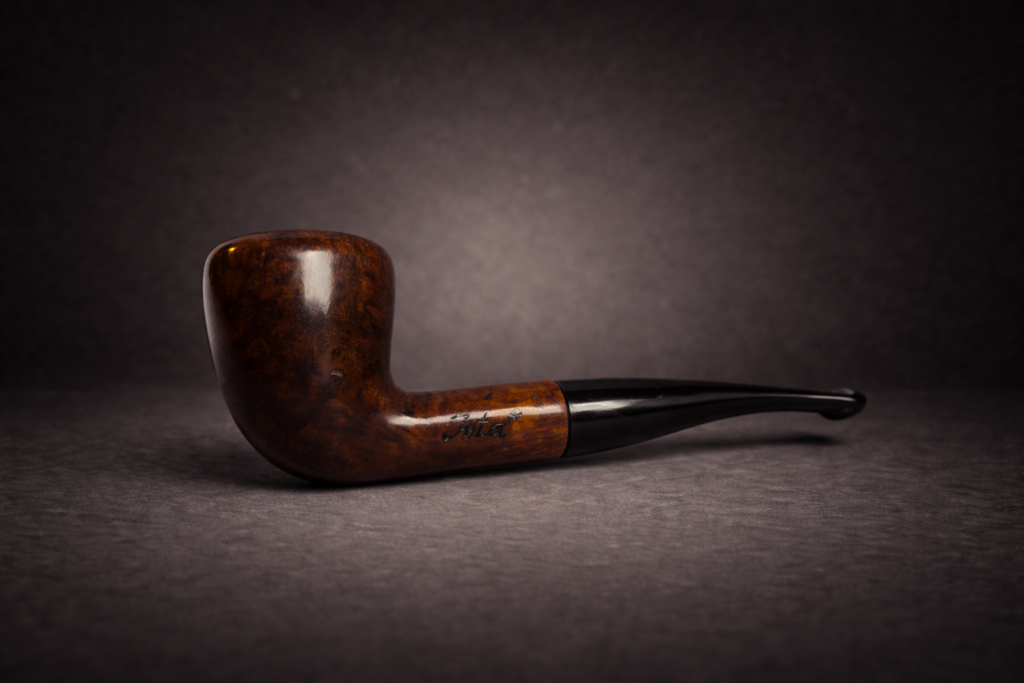
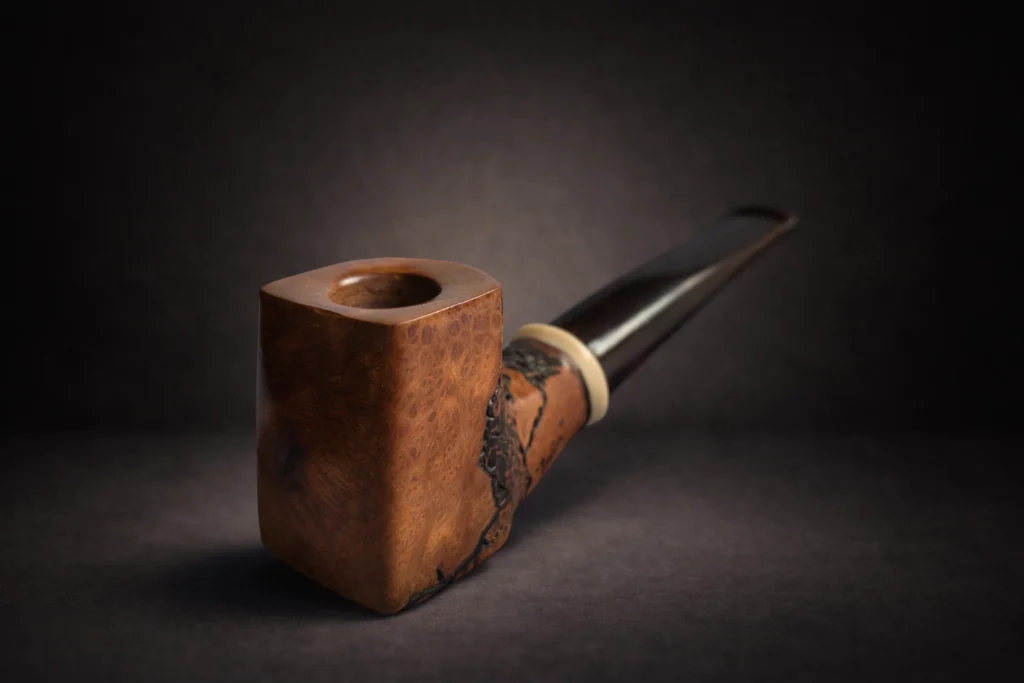
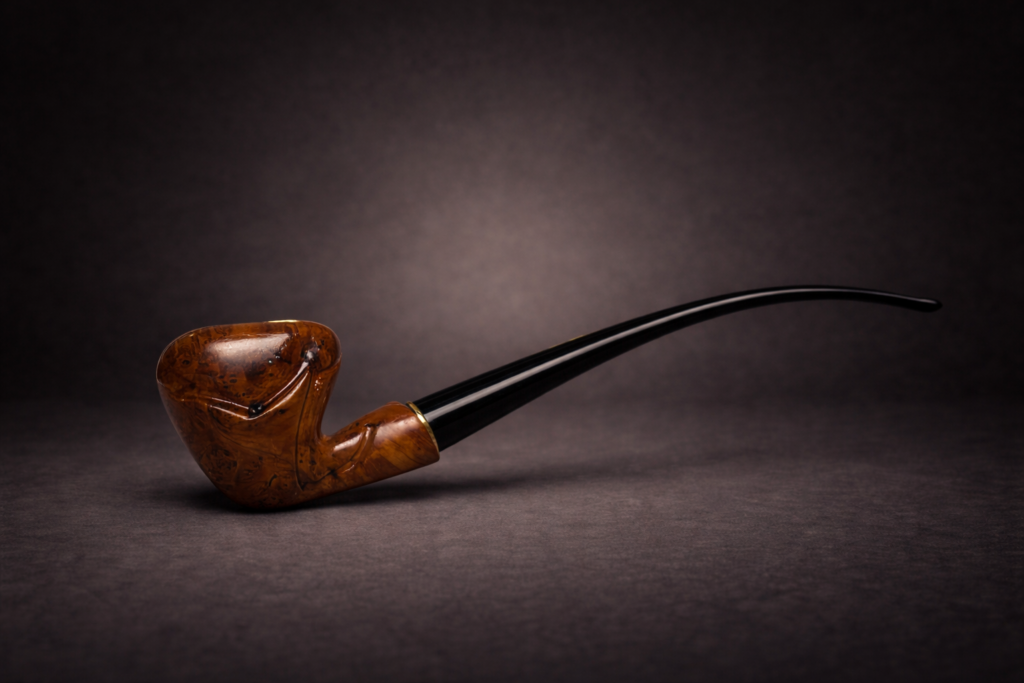
Ne treba imati lulu u ruci da biste spoj počeli gledati ozbiljnije. Već na fotografijama vrijedi obratiti pažnju na prijelaz između usnika i vrata lule. Djeluje li linija mirno? Ima li osjećaja da se jedan dio “bori” s drugim? Izgleda li dosjed kao precizno dogovoren susret ili samo kao tehničko spajanje dviju komponenti? Takve stvari često ostavljaju jači trag nego što se na prvi pogled čini.
Ako imate priliku pitati dodatno, nije pretjerano tražiti i bliži prikaz tog dijela. Ozbiljan maker ili prodavatelj obično nema problem pokazati detalj koji govori o kvaliteti rada. Zapravo, upravo je to detalj koji vrijedi gledati kad ne želite da vas ljepota površine prebrzo uvjeri da je sve drugo već riješeno.
Zašto ovaj detalj vrijedi više od spektakla
Spektakularan finiš lako prodaje priču. Precizan spoj usnika teže prodaje priču, ali lakše dokazuje disciplinu. A disciplina je u zanatu često vrijednija od dojma. Ona pokazuje da se pažnja nije potrošila na ono što se najbrže vidi, nego je ostala prisutna i ondje gdje predmet mora izdržati mirniji, stroži pogled.
Upravo zato spoj usnika vrijedi više nego što mu tržište često priznaje. Ne zato što je ljepota nevažna, nego zato što bez takvih tihih mjesta ni ljepota nema na čemu pošteno stajati. Finiš može uzbuditi. Preciznost daje povjerenje. A kod lule, pogotovo kad je želite stvarno koristiti, povjerenje je često skuplje od uzbuđenja.