Why Briar Became the Standard Material for Tobacco Pipes
Briar is the most widely used material in pipe making today. This article explains where it comes from, why it is valued, and how it compares with meerschaum and corn cob pipes.
What exactly is briar?
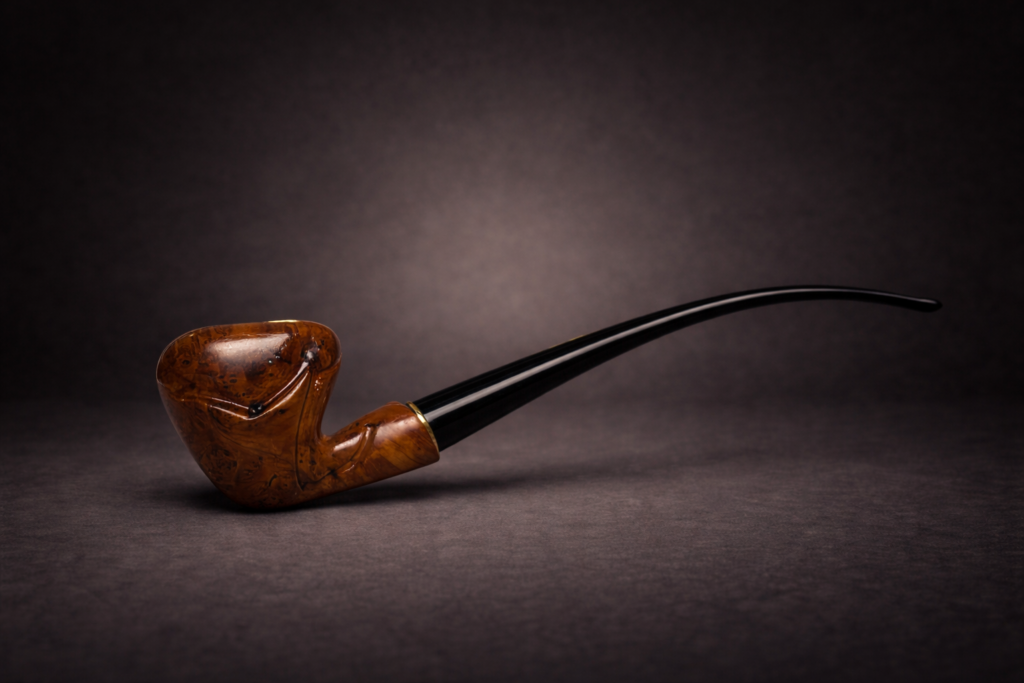
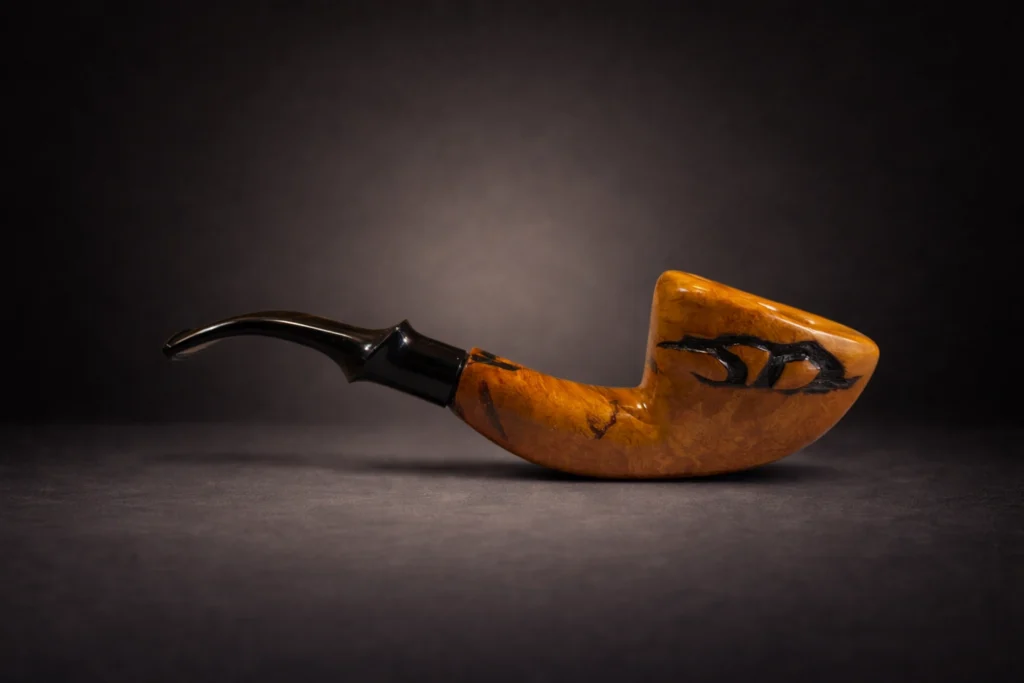
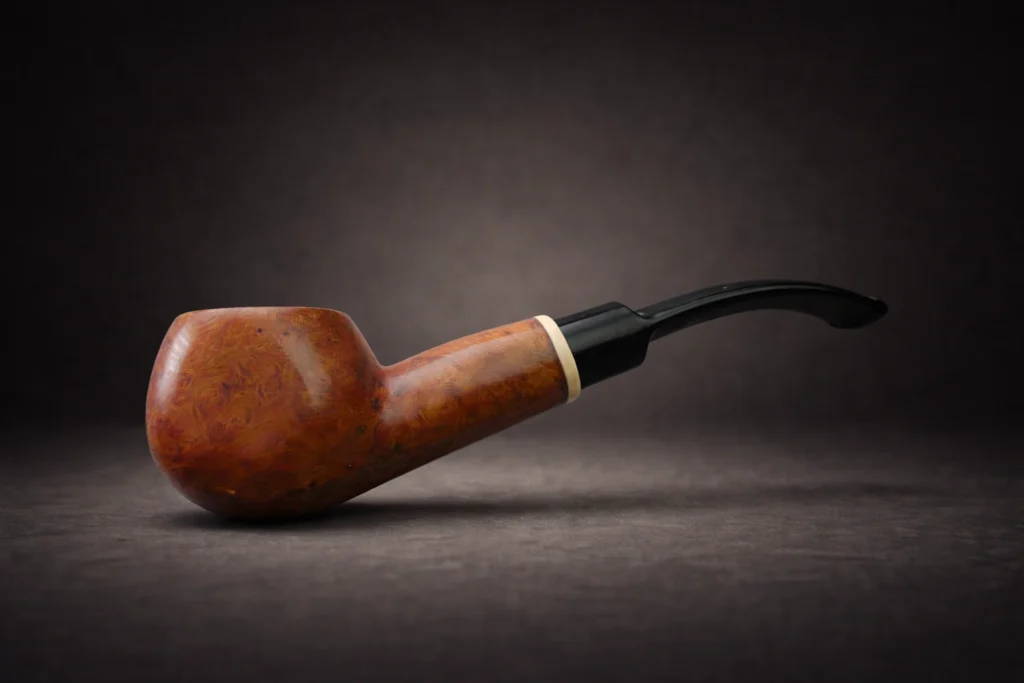
Briar is the woody root burl of Erica arborea, a Mediterranean heath that grows in rocky and sandy soils. That burl has proven exceptionally well suited to pipe making.
Why is it used for pipes?
Briar became dominant because it handles heat well, remains relatively light, and helps manage moisture during smoking. That combination makes it the most balanced all-purpose choice for everyday pipe use.
How are pipe blocks made?
After harvesting, the burl is cut into blocks. Pipe making tradition often distinguishes between ebauchon and plateaux blocks. Plateaux is often prized for its outer burl origin and potentially finer grain, though both can yield excellent pipes when properly worked.
Does briar need aging?
Experienced makers often note that younger burl is not fully suitable. Briar is commonly boiled to reduce tannins and resins and then dried for an extended period before shaping.
Briar versus meerschaum and corn cob
Meerschaum is a mineral, sepiolite, known for being light and porous and historically associated with Turkey. Corn cob pipes are a more affordable and accessible option with a long American tradition, especially through Missouri Meerschaum. Even so, briar remains the leading compromise between durability, beauty, and practical daily use.
Conclusion
If you want to understand why most serious pipes are made from briar, the answer is simple: it combines natural resistance, usability, and attractive grain. It is not the only option, but it became the standard for good reason.