Zašto isti duhan u različitim lulama ne daje isti okus
Početnicima to često zvuči kao pretjerivanje, ali ista mješavina doista može u jednoj luli djelovati slađe, u drugoj suše, u trećoj toplije ili “mokrije”. To ne znači da svaka lula ima neku mističnu osobnost, nego da nekoliko vrlo konkretnih faktora mijenja način na koji se duhan ponaša: komora, airflow, filter, kondenzacija i tragovi prethodnih pušenja. Ovaj članak ne pokušava romantizirati razlike među lulama. Cilj mu je prizemljiti ih. Kad razumiješ zašto isti blend ne radi isto u svakoj luli, lakše ćeš prepoznati što je stvarna razlika u duhanu, a što je razlika u uvjetima pod kojima ga pušiš.
Jedan od trenutaka kad početnik shvati da lula nije samo “posuda za duhan” dogodi se obično ovako: isti blend koji je jučer bio miran, sladak i uredan, danas u drugoj luli djeluje suše, toplije, teže ili nekako ravnije. Prva reakcija često je sumnja. Jesam li to umislio? Je li to samo raspoloženje? Ili ljudi stvarno nisu pretjerivali kad su govorili da ista mješavina ne radi isto u svakoj luli?
Kratak odgovor glasi: da, razlika je stvarna. Ali ne zato što u svakoj luli stanuje neka tajna magija, nego zato što nekoliko vrlo konkretnih stvari mijenja ponašanje duhana. Oblik i veličina komore, protok zraka, prisutnost filtera, način na koji se kondenzacija skuplja i čak tragovi prethodnih blendova mogu gurati isti duhan u malo drukčijem smjeru. Kad to razumiješ, manje lutaš i manje mistificiraš.
Zašto “isti duhan” nije uvijek isto iskustvo
Kad kažeš da pušiš isti duhan, obično misliš na isti blend iz iste limenke ili iste vrećice. To je točno, ali nije cijela priča. Duhan ne postoji u praznom prostoru. On gori u određenoj komori, uz određeni protok zraka, pri određenoj vlazi, s određenim tempom pušenja i često uz tragove onoga što je lula već prije nosila.
Drugim riječima, ne pušiš samo duhan. Pušiš duhan u sustavu. A čim promijeniš dio tog sustava, mijenja se i iskustvo. Nekad malo, nekad vrlo jasno. To nije razlog za paranoju, nego za preciznije promatranje.
Komora: promjer i dubina mijenjaju način na koji se blend razvija
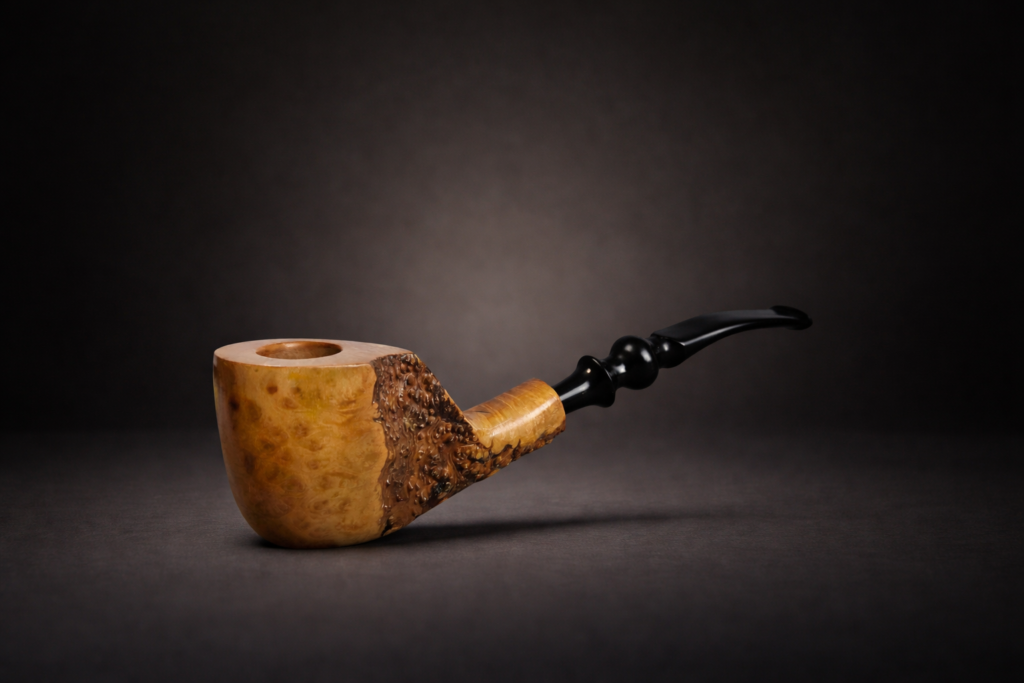
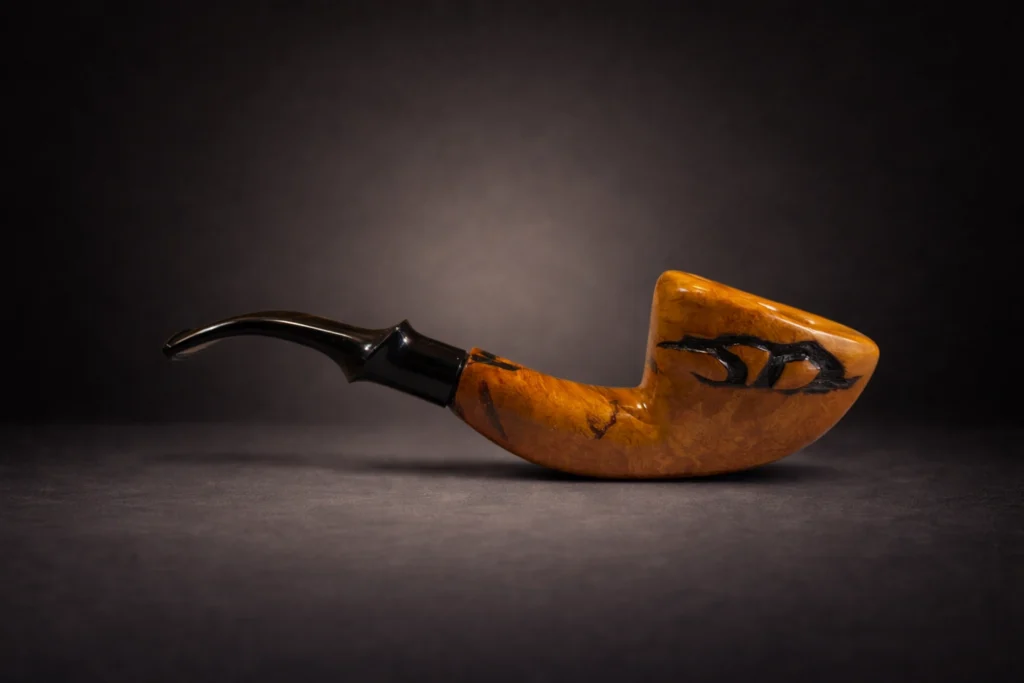
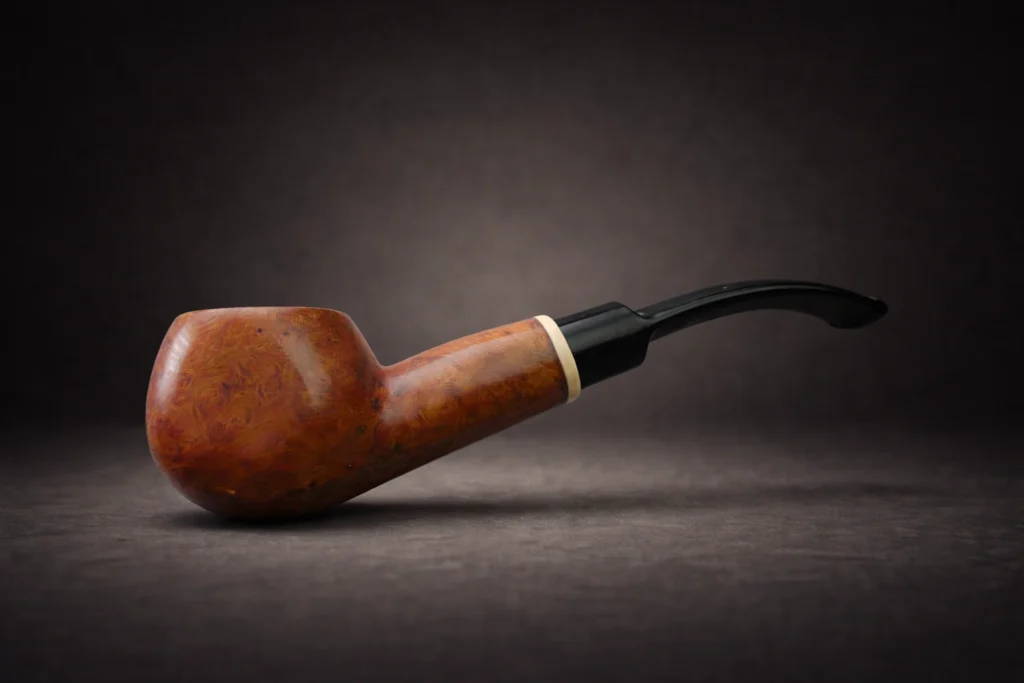
Promjer i dubina komore možda su najlakši način da se osjeti zašto isti duhan ne daje isto lice. U užoj komori određeni blendovi znaju djelovati fokusiranije, sabijenije i ravnije po slojevima. U široj komori često se otvori više prostora da različite komponente mješavine gore zajedno i razviju širu sliku okusa.
Dubina također mijenja doživljaj. U plićoj komori blend može djelovati neposrednije i kraće. U dubljoj dobiva više vremena da se razvije kroz sredinu i kraj zdjele. To je osobito važno kod složenijih ili prešanijih duhana koji ne pokažu sve u prvih pet minuta.
To ne znači da postoji “prava” komora za svaki duhan. Ali znači da promjer i dubina mogu naglasiti različite strane iste mješavine. Ono što ti je u jednoj luli djelovalo dosadno u drugoj može dobiti više zraka, više širine ili više reda.
Airflow i drilling: tihi mehanički dio koji puno odlučuje
Mnogi početnici dugo ne razmišljaju o airflowu jer ga ne vide. Ali upravo taj nevidljivi dio često određuje koliko lula djeluje otvoreno, koliko se duhan lako održava i koliko se vlaga i toplina ponašaju uredno. Ako protok zraka djeluje slobodno i ravno, isti blend može djelovati mirnije i čišće. Ako je iskustvo zagušenije ili nervoznije, dojam duhana lako postane teži, topliji ili manje elegantan.
Tu nema potrebe za opsesijom oko mjerenja i milimetara, ali vrijedi razumjeti osnovu: lula koja lakše “diše” često omogućuje da se duhan pokaže prirodnije. Lula koja skuplja više otpora ili više kondenzacije može učiniti da isti blend djeluje mutnije, mokrije ili napornije.
Filteri i sustavi: nisu samo dodatak, nego faktor okusa
Filter ili različiti sustavi u luli ne mijenjaju samo tehnički osjećaj pušenja. Oni mogu promijeniti i način na koji doživljavaš sam duhan. Nekim pušačima filter ublaži grublje rubove, upije dio vlage i učini blend pitomijim. Drugima ostavi dojam da je dio karaktera nestao, kao da je dim postao uredniji, ali i malo tiši.
Zato ista mješavina u filtriranoj i nefiltriranoj luli ne mora ostaviti isti trag. Nije stvar u tome da je jedno superiorno. Stvar je u tome da se duhan ponaša drukčije kad mu promijeniš uvjete. Ako to ne uzmeš u obzir, lako zaključiš da ti se blend “misteriozno promijenio”, a zapravo si promijenio alat kroz koji ga čitaš.
Kondenzacija: kad problem izgleda kao okus, a zapravo je vlaga
Ponekad se razlika u “okusu” zapravo ne događa na razini okusa, nego na razini stanja dima. Ako Jedna lula skuplja više kondenzacije ili jednostavno drukčije vodi vlagu kroz dimni kanal, isti blend može djelovati vlažnije, toplije, kiselije ili zamornije. Početnik to često opiše kao “u ovoj luli duhan mi nema dobar okus”, iako je dio problema zapravo mehanički.
To je važna stvar jer štedi puno krivih zaključaka. Nije svaka razlika među lulama duboka filozofija okusa. Nekad je stvar vrlo jednostavna: u jednoj luli dim ostaje suši i čišći, u drugoj se brže nakuplja vlaga i cijelo iskustvo postaje teže.
Dediciranje i ghosting: tragovi starih duhanskih priča
Još jedan razlog zašto isti duhan ne djeluje isto jest ono što je lula već pušila prije toga. Neke lule vrlo brzo puste staru priču. Druge je zadržavaju dulje. Ako u jednoj luli često pušiš aromatics, u drugoj Latakiju, a u trećoj mirnije Virginije, iste mješavine neće uvijek krenuti iz nulte točke.
Tu dolazimo do dediciranja lula. To ne mora biti snobizam ni komplicirani ritual. Često je to samo praktičan način da određeni duhanski profili ne ostavljaju previše traga jedni drugima. Ghosting nije uvijek katastrofa, ali je dovoljno stvaran da objasni zašto blend koji je jučer bio čist danas djeluje kao da razgovara s nečim starijim iz komore.
Rez i način pripreme duhana dodatno povećavaju razliku
Isti blend nije nužno isti i u smislu pripreme. Ako jedanput isti coin ili broken flake jače razradiš, a drugi put ga ostaviš kompaktnijim, već si promijenio kako će disati i gorjeti. Kad uz to dodaš drugu lulu, razlika postaje još veća. Zato ponekad mislimo da uspoređujemo “isti duhan u dvije lule”, a zapravo uspoređujemo dvije različite verzije istog duhana.
Zato je kod poštene usporedbe dobro paziti i na rez, vlagu i način punjenja. Što više toga ostane isto, to bolje vidiš što doista radi sama lula.
Kako napraviti poštenu usporedbu
Ako želiš stvarno razumjeti zašto blend u dvjema lulama djeluje drukčije, pokušaj ne mijenjati pet stvari odjednom. Uzmi isti duhan iz iste porcije. Dovedi ga na sličnu vlagu. Pripremi ga na isti način. Napuni obje lule što sličnije. Puši ih u sličnom raspoloženju i bez dodatnog “natezanja” rezultata.
Najkorisnije je usporediti dvije očite razlike, a ne deset sitnih. Na primjer: uža i šira komora. Ili filter i bez filtera. Ili lula koja nosi duhanske tragove jednog tipa blendova nasuprot neutralnijoj luli. Tako najbrže učiš što zapravo mijenja iskustvo.
Gdje početnici najčešće pogriješe u zaključku
Prva pogreška je da svaku razliku odmah proglase dokazom da jedna lula “voli” određeni duhan, a druga “ne voli”. To ponekad zvuči šarmantno, ali često preskače pola stvarnih uzroka. Druga je pogreška da se svaka razlika odbaci kao umišljaj. Nije umišljaj. Samo je često manje romantična i više mehanička nego što zvuči.
Treća je pogreška da se mijenja previše stvari odjednom. Druga lula, druga vlaga, drugi tempo, drugi dan, drugi rez. Iz takve usporedbe najčešće ne naučiš ništa jasno. Ako želiš čitati razliku, prvo smanji buku.
Zaključak: lula ne mijenja duhan čudom, nego uvjetima
Isti duhan u različitim lulama doista može dati drukčiji okus i drukčiji ukupni dojam. Ali to nije razlog za mistiku. Dovoljno je razumjeti nekoliko stvarnih faktora: komora, airflow, filter, kondenzacija, tragovi prethodnih blendova i način pripreme samog duhana. To je dovoljno da ista mješavina u jednoj luli djeluje otvorenije, u drugoj tamnije, u trećoj urednije, a u četvrtoj zamornije.
Kad to prihvatiš, više ne tražiš magično objašnjenje. Počinješ promatrati uvjete. A to je puno korisnije, jer ti pomaže da sljedeću zdjelu ne pušiš samo s više osjećaja, nego i s više razumijevanja.