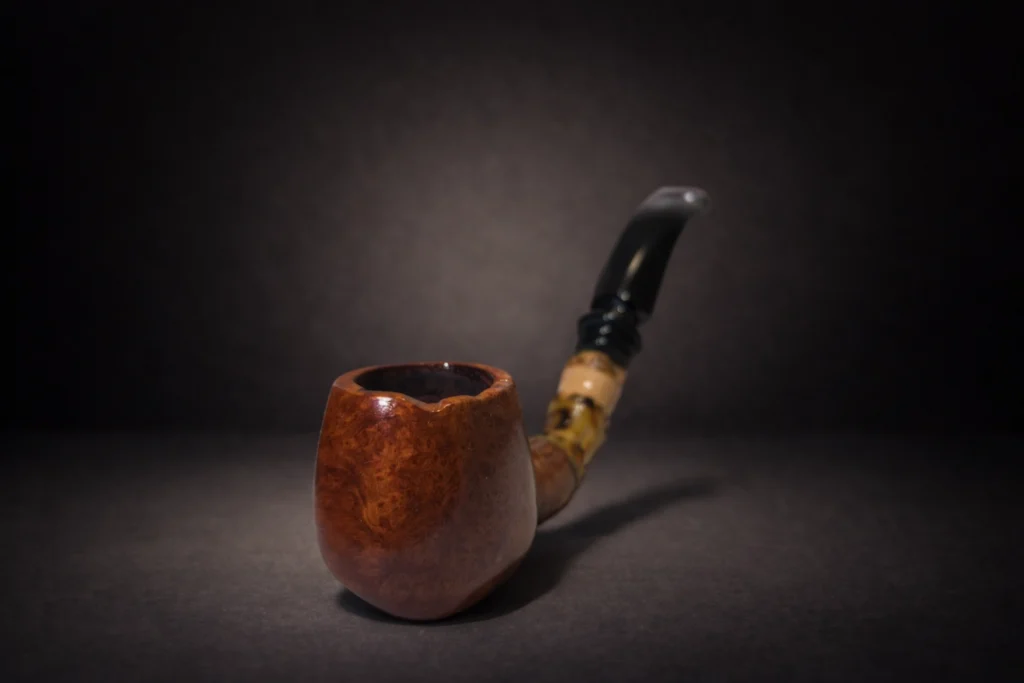
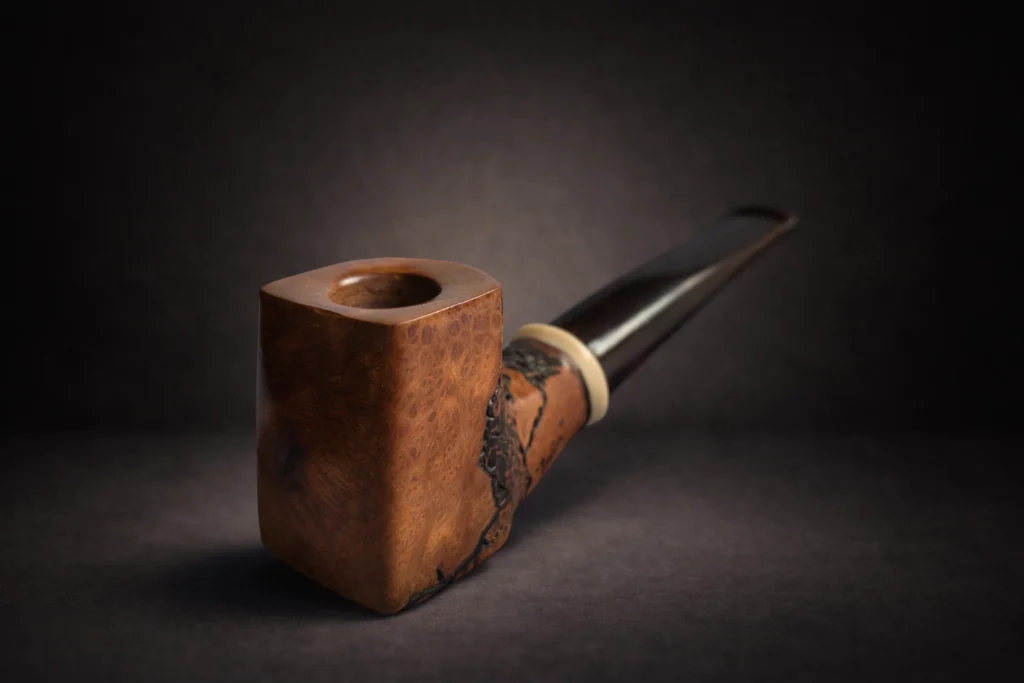
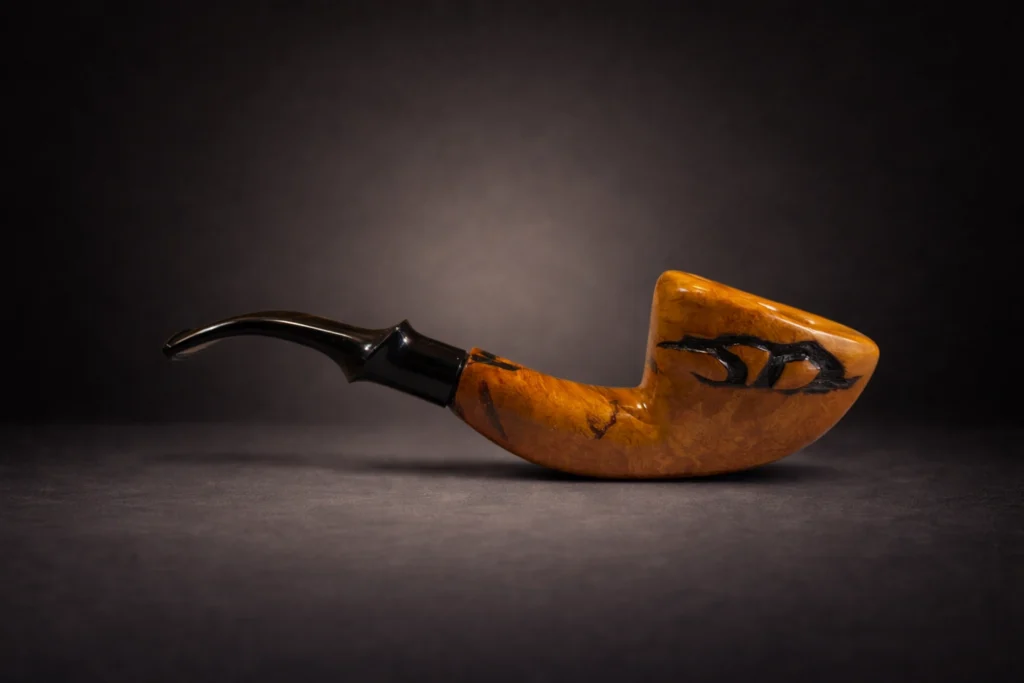
Kako razlikovati hobi od lova na opremu: kad kupnja pribora preuzme lulu
U svijetu lula vrlo je lako steći dojam da se napredak vidi po stvarima koje posjeduješ. Nova lula, bolji tamper, uredniji stalak, luksuznija torbica, poseban nožić, druga vrsta filtera, treći tip upaljača — sve to izgleda kao prirodan dio hobija. I doista, dio toga jest. Problem počinje onda kad kupnja pribora i dodataka postane zamjena za sporije, tiše i manje spektakularno učenje vlastitog ritma pušenja. Ovaj članak nije napad na skupljanje ni na uživanje u lijepim predmetima. Cilj mu je mnogo korisniji: pomoći čitatelju da prepozna kada kupnja još prati hobi, a kada ga počinje voditi. Drugim riječima, kako razlikovati stvarnu potrebu od osjećaja da se napredak može kupiti brže nego što se može naučiti.
Zašto je u luli tako lako zamijeniti učenje kupnjom
Lula je hobi koji prirodno privlači predmete. Nije to samo stvar duhana i vatre. Tu su i same lule, stalci, tamperi, futrole, čistači, upaljači, reameri, spremnici, limenke, nožići i razne male stvari koje cijelom svijetu daju dodatnu materijalnu privlačnost. To nije nikakva mana. Dapače, dio šarma hobija upravo i jest u tome što nije posve apstraktan. Predmeti nose ritual, red i osobni ukus.
Problem nastaje tek kad čovjek počne osjećati da će svaki sljedeći korak u hobiju doći prvenstveno kroz novu kupnju. Tada se tiho promijeni logika. Više ne pitaš što ti stvarno treba, nego što bi moglo dati osjećaj da si “napredovao”. A napredak u luli vrlo često ne dolazi tako brzo i tako vidljivo kako kupnja obećava.
Upravo zato je važno razlikovati dvije stvari: hobi koji prirodno uključuje predmete i lov na opremu koji počinje glumiti razvoj ukusa. To nije ista stvar, iako izvana lako izgleda slično.
Kako gear chase uopće počinje
Vrlo rijetko počinje iz loše namjere. Početnik kupi prvu lulu, pa otkrije da mu treba barem osnovni pribor. To je razumno. Zatim vidi još neku lulu koja mu se sviđa, pročita da određeni tamper “stvarno vrijedi”, čuje da je jedan upaljač praktičniji od drugog, pa pomisli da bi i to moglo pomoći. Ništa od toga samo po sebi nije problem. Problem je ritam kojim takve kupnje počnu dolaziti i razlog zbog kojeg dolaze.
Gear chase obično počinje onda kad predmet više ne rješava konkretan problem, nego puni nejasan osjećaj da bi nešto novo moglo konačno “složiti stvar”. Čovjek još nije posve zadovoljan vlastitim iskustvom pušenja, pa umjesto da zastane i pita što zapravo ne razumije, krene tražiti predmet koji će mu vratiti osjećaj kontrole ili uzbuđenja.
To je vrlo ljudski obrazac. Nije ni sramotan ni rijedak. Ali ga je korisno prepoznati na vrijeme.
Razlika između stvarne potrebe i ugodnog izgovora
Stvarna potreba u hobiju obično je jasna. Treba ti alat za osnovno održavanje. Treba ti način da pohraniš duhan kako se ne bi osušio. Treba ti još jedna lula jer stvarno želiš rotaciju, a ne stalno pušiti jednu te istu. To su konkretni razlozi. Oni imaju dodir sa stvarnim korištenjem.
Ugodan izgovor zvuči drukčije. “Možda će ova lula napokon riješiti moj tempo.” “Možda je problem u tome što nemam ozbiljniji tamper.” “Možda mi treba baš ova torbica da sve sjedne.” Nema ništa loše u tome da nešto kupiš jer ti se sviđa. Ali dobro je biti pošten i priznati kad to radiš iz gušta, a kad se samo nadaš da će predmet obaviti učenje umjesto tebe.
Ta razlika djeluje mala, ali zapravo mijenja cijeli odnos prema hobiju. U prvom slučaju kupnja prati iskustvo. U drugom pokušava ga zamijeniti.
Zašto se početniku čini da će ga bolja oprema “brže dovesti tamo”
Početnik je prirodno nestrpljiv jer još nema dovoljno unutarnjih orijentira. Ne zna točno zašto jedna lula puši bolje od druge, zašto jedan blend sjedne, a drugi ne, zašto je jedna sesija izvrsna, a sljedeća mutna. U tom prostoru nejasnoće vrlo je lako povjerovati da bi bolji ili “ozbiljniji” pribor mogao biti prečac do stabilnijeg iskustva.
To je razumljivo jer su predmeti opipljivi, a znanje nije. Predmet možeš odmah naručiti, otvoriti, držati u ruci i osjetiti da se nešto promijenilo. Učenje je puno tiše. Ono se događa kroz ponavljanje, promatranje, pogreške i male korekcije koje često nisu spektakularne. Zato oprema tako lako pobijedi pažnju. Ona je brža, sjajnija i emocionalno nagrađujuća.
Ali upravo zato treba biti oprezan. Ono što se kupi odmah ne postaje automatski i ono što najviše pomaže.
Kad kupnja počne preuzimati hobi
Najjasniji znak nije broj predmeta, nego ton odnosa prema njima. Ako više vremena provodiš razmišljajući što ti još treba nego promatrajući kako stvarno pušiš, kupnja je već počela preuzimati veći dio prostora nego što bi trebala. Ako ti nova lula ili alat svaki put djeluju kao obećanje “novog početka”, ali se stvarno iskustvo ne produbljuje, to je također signal.
Još je jasniji trenutak kad predmet počne služiti kao emocionalna kompenzacija. Loša sesija? Možda treba nova lula. Dosada? Možda novi alat. Nezadovoljstvo vlastitim ritmom? Možda elegantniji pribor. Tada oprema više nije neutralan dodatak hobiju, nego način da se izbjegne neugodniji, ali korisniji dio procesa: priznati da nešto još ne razumiješ i da to nećeš naučiti karticom.
Zašto više opreme ne znači i više ukusa
U lulaškom svijetu vrlo je lako impresionirati sebe količinom. Nekoliko lijepih lula, uredno složen pribor i dobro posložene fotografije brzo stvore dojam da se hobi “ozbiljno razvija”. Ali ukus i razumijevanje ne rastu istom logikom kao zbirka predmeta. Čovjek može imati malo opreme i vrlo zreo odnos prema pušenju. Može imati mnogo opreme i još uvijek zapravo ne razumjeti vlastite navike, blendove i ritam.
To ne znači da kolekcionarstvo nema vrijednost. Ima. Samo znači da ga ne treba zamijeniti s učenjem. Jedno može pratiti drugo, ali nije isto. Kad to zaboraviš, vrlo lako počneš mjeriti napredak po vitrini umjesto po stvarnom iskustvu.
Kako graditi pribor sporije i pametnije
Najzdraviji put obično je i najjednostavniji. Prvo izgradi osnovu koja ti stvarno treba. Jedna ili nekoliko lula koje doista pušiš. Osnovni alat za održavanje. Način da držiš duhan kako treba. Sve ostalo neka dolazi tek kad se pojavi konkretan razlog, ne samo ugodan poriv.
To ne ubija radost kupnje. Naprotiv, često je čini boljom. Predmet koji kupiš jer si točno shvatio zašto ti treba obično više vrijedi i dulje ostaje važan od predmeta kupljenog iz nejasne želje da “nešto pomakne stvar”. Kad pribor raste iz iskustva, kolekcija ima logiku. Kad raste iz nestrpljenja, vrlo brzo dobiješ više stvari nego smisla.
Kako biti pošten prema sebi bez glume asketizma
Ne treba glumiti da je svaka kupnja sumnjiva ni da je jedini “čisti” hobi onaj bez uživanja u predmetima. To bi bilo jednako naivno kao i gear chase. Lijep tamper može veseliti. Dobra torbica može biti praktična i estetski ugodna. Nova lula može biti stvarna radost i bez toga da rješava bilo kakav problem.
Poanta nije u odricanju, nego u iskrenosti. Ako nešto kupuješ jer ti se sviđa i veseli te, to je sasvim legitimno. Samo nemoj to preimenovati u “nužan sljedeći korak” ako zapravo nije. Ta mala iskrenost čuva hobi od nepotrebne zbrke.
Što se obično pokaže važnijim od opreme
Na kraju se gotovo uvijek pokaže da nekoliko stvari vrijedi više od još jednog dodatka. Pažnja pri punjenju. Razumijevanje vlastitog ritma. Malo discipline oko vlage duhana. Znanje koje lule ti stvarno odgovaraju i zašto. Sposobnost da primijetiš što se dogodilo u dobroj ili lošoj sesiji. To su pomaci koji najviše mijenjaju iskustvo, a najmanje izgledaju kao uzbudljiva kupnja.
Upravo zato ih ljudi i lako zanemare. Oni ne dolaze u kutiji, ne sjaje se i ne daju trenutačan dopaminski efekt. Ali dugoročno upravo oni odvajaju hobi koji sazrijeva od hobija koji samo gomila stvari.
Što na kraju vrijedi zapamtiti
Razlika između hobija i lova na opremu nije u tome imaš li malo ili puno predmeta. Razlika je u tome vodi li iskustvo kupnju ili kupnja pokušava voditi iskustvo. Kad pribor raste iz stvarne potrebe, interesa i užitka, on obogaćuje lulu. Kad preuzima ulogu učitelja, vrlo brzo počne glumiti nešto što ne može biti.
Lulu se ne mora živjeti asketski da bi bila zrela. Dovoljno je znati kada predmet stvarno pomaže, a kada samo lijepo izgleda kao obećanje napretka. To je mala razlika, ali često odlučuje hoćeš li graditi hobi ili samo sve skuplju iluziju da će te predmeti jednog dana naučiti ono što zapravo moraš naučiti sam.