How Bowl Shape Changes Pipe Smoking in Practice
Shape is not only about how a pipe looks on a shelf or in the hand. Bowl width and depth change the way the ember moves through the tobacco, so the same blend in different pipes can feel broader, slower, more focused, or simply more cooperative.
Shape is not just aesthetics
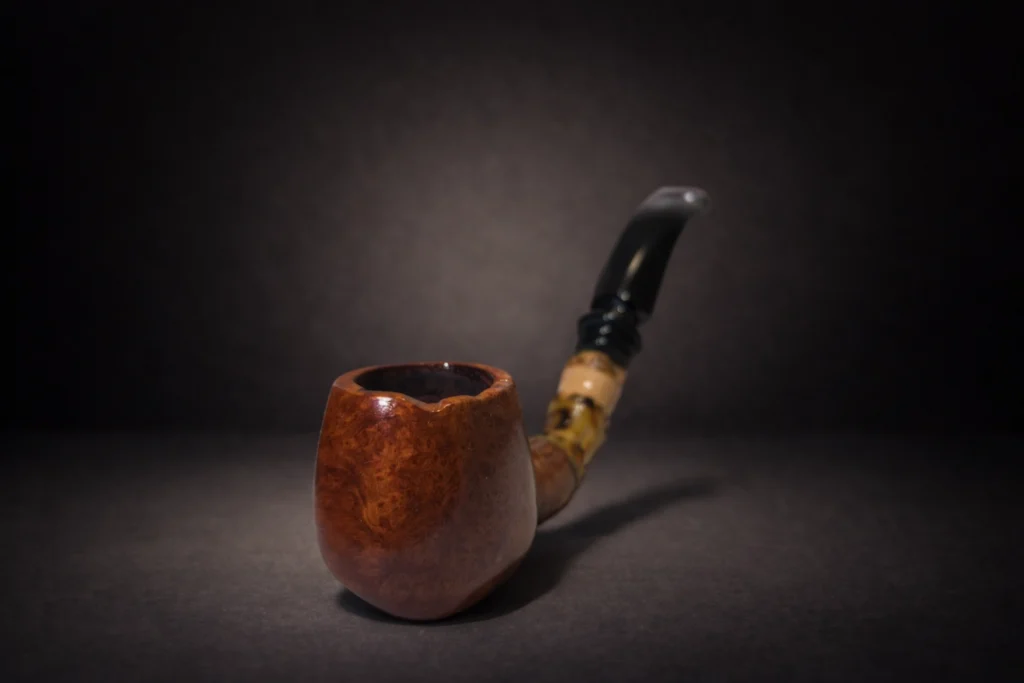
Beginners usually notice the silhouette first: a billiard looks classic, an apple feels softer, a pot appears serious and low, a dublin looks elegant. But what truly smokes is not the outer line but the inner geometry of the bowl. Width, depth, and the relation between bottom and top determine how the ember spreads through the tobacco and how the flavor develops throughout the bowl.
That is why two pipes that look similar on the outside can smoke very differently. It is also why the same blend can feel rich and layered in one pipe and narrower, tighter, or even a little closed in another.
A wider bowl: more surface, a different kind of development
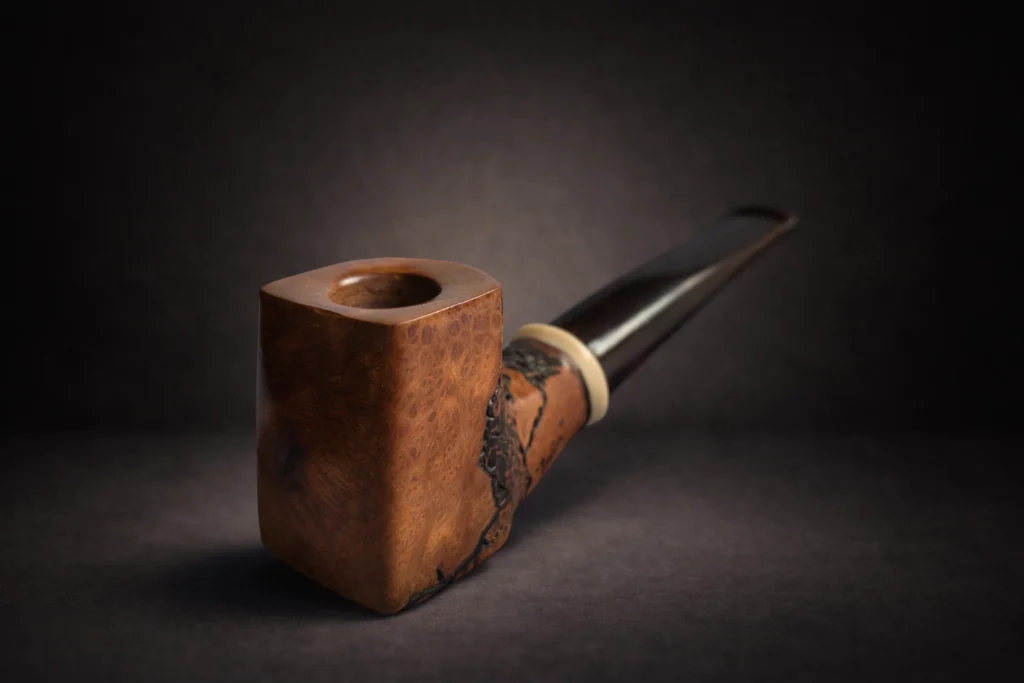
Wider bowls, often found in pot shapes, give the ember more surface area. That means more tobacco is involved at once, so more complex mixtures can feel fuller and “broader.” Some smokers love English or Balkan blends in such bowls for exactly that reason: the impression is that more components speak in parallel instead of one after another.
This is not a law of nature, however. More surface can also mean that the pipe asks for a more careful cadence. If the smoker moves too quickly, the width that should have brought richness may bring only heat.
Narrower or deeper bowls: focus and a slower pace
Narrower and deeper bowls often produce a more focused impression of the smoke. The ember moves along a narrower path, the development feels more linear, and some blends become tidier and easier to read. That is one reason why some smokers enjoy Virginias and similar profiles in slightly narrower chambers.
Depth, on the other hand, extends the conversation. The bowl lasts longer, but it also demands more careful pacing. Not every deep chamber is automatically “better for a slow smoke,” but many smokers find in them a sense of gradual unfolding.
Billiard, pot, dublin, and apple translated into experience
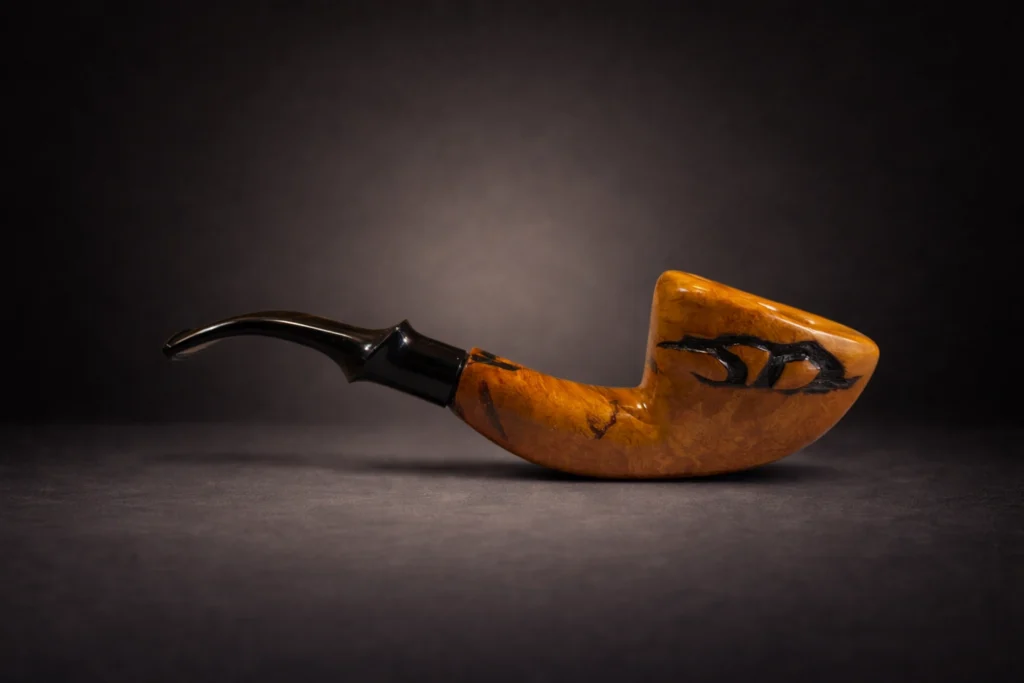
A billiard is often a good neutral teacher. There is not much visual drama in the shape, so the tobacco itself is easier to hear. A pot usually offers a broader and more immediate impression, especially with complex blends. A dublin, because of the way its chamber narrows or opens depending on execution, often creates a very specific smoking progression and deserves to be treated as its own story rather than simply an elegant billiard. An apple, with its softer volume, can combine comfort in the hand with a very pleasant chamber, but here too the inner dimensions matter more than the outer roundness.
In other words, a shape guide without a story about the chamber only goes halfway. Once you translate shape into ember behavior, the subject becomes genuinely useful.
Why the same tobacco does not smoke the same in every pipe
This is not just magic. More or less air, a differently spread ember, a different relation between depth and width — all of that changes how the tobacco burns and how you experience its development. Sometimes the difference is subtle, sometimes very clear. But once you notice it, you stop buying shapes only with your eyes.
It is important to stay fair here and say that shape is not the only factor. Drilling, stem design, material, and smoking pace also strongly affect the result. Still, the chamber remains the heart of the whole story.
How to choose a second or third pipe
If you already have one pipe that serves you well, do not buy the next one only as an aesthetic variation of the same thing. It makes more sense to choose a shape that gives you a different kind of experience. If you already own a medium-depth classic shape, perhaps try something wider. If all you smoke are wide bowls, you may be surprised by how focused a narrower profile can feel.
That is how a collection stops being a row of similar objects and becomes a set of tools with different temperaments.
The best way to understand it for real
Take the same blend and smoke it in two pipes with different chamber dimensions. Do not ask the internet what you “should” notice. Ask yourself: is one hotter, did one need more relights, does the tobacco feel more open in one and calmer in the other? That kind of comparison is worth more than ten shape charts.
Once you start listening to pipes that way, shape stops being only design. It becomes part of flavor.